
SISU Journal · Rio Salado, Phoenix
Rio Salado Transformation Site and the Arizona Environmental Convening
One acre on the south bank. Canvassed by hand before it was planned. In December it goes in front of a national room.
A SISU Journal entry · Nicole Huser · November 2026
What a transformation site is for
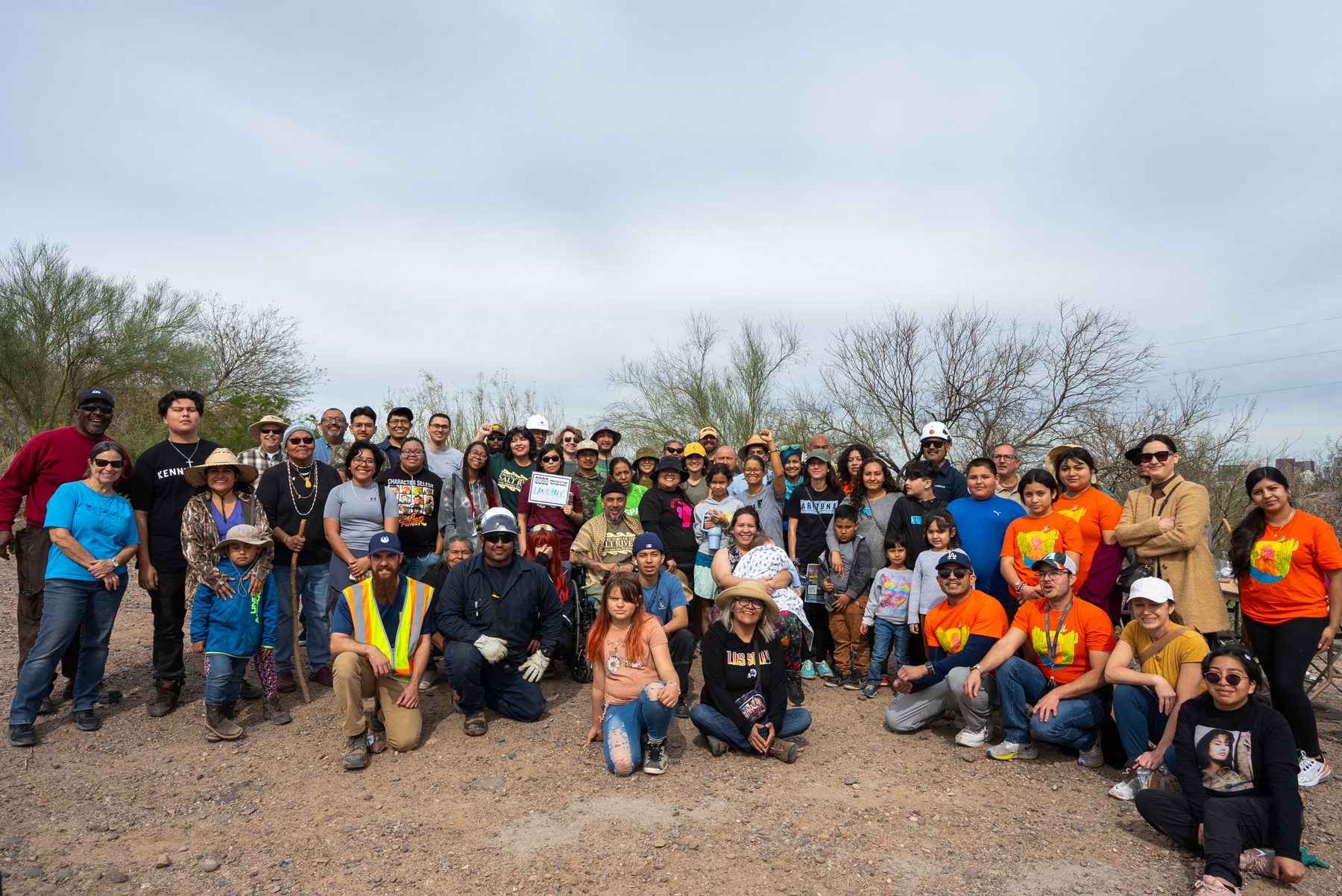
The Transformation Site is about one acre on the south bank of the Salt River, a short walk from the new Central Avenue light rail stop. On a map it is small. On the ground it is the first place along the Rio Salado where Indigenous stewardship, city infrastructure, and philanthropic capital are being asked to share the same piece of land at the same time.
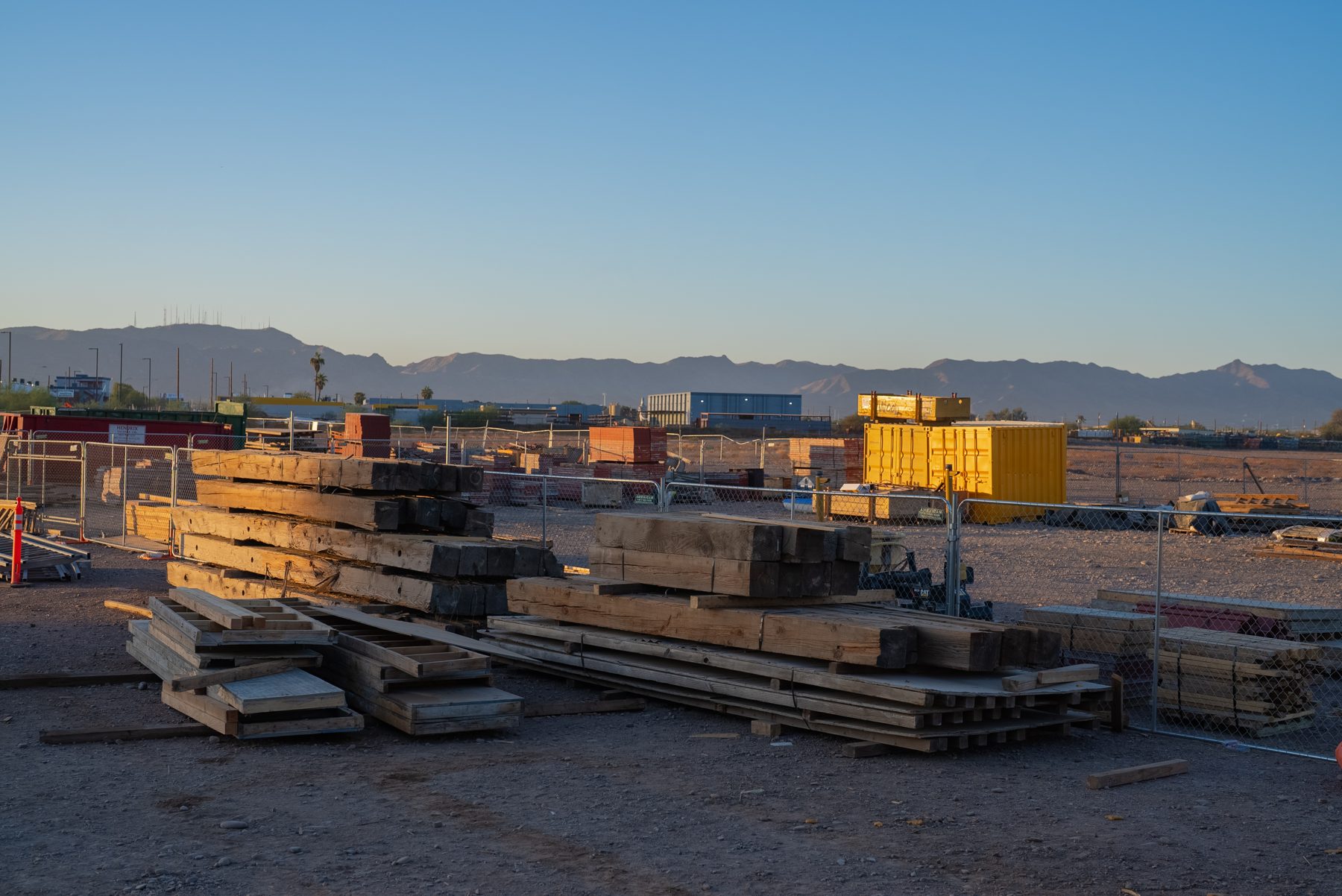
On December 3, that acre becomes a case study in front of a national audience. Arizona's Environmental Convening (122°) brings funders, researchers, elected officials, and frontline organizations to downtown Phoenix on December 2 and 3 to move capital toward extreme heat solutions. The Transformation Site is one of the projects the convening will walk through as proof of what Phoenix means when it says solutions are co-designed with residents.
I have worked alongside Protectors of the Salt River on this stretch of river since 2024. Here is how the site came to be, and what I think it is for.
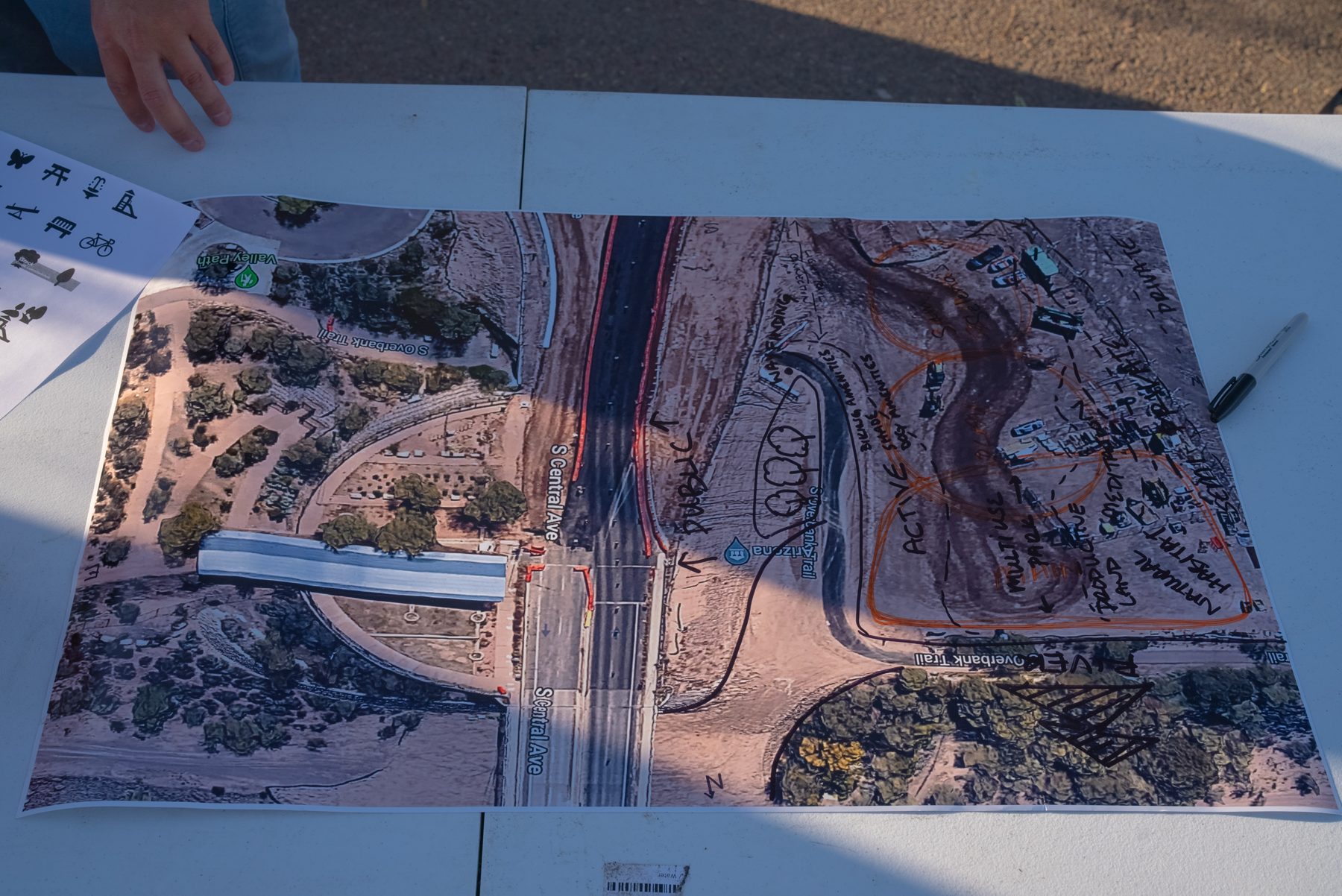
Before there was a site, there was a canvass. Protectors of the Salt River, a grassroots collective restoring ecological and cultural relationships to the river, walked the neighborhoods closest to this bank and asked residents what they wanted from it. Those conversations shaped the vision for the space. The City of Phoenix established the Transformation Site with that vision in hand, not before it.
That order matters. Most riverfront investment in American cities arrives with renderings already drawn. The people who live nearest the water are invited to react. Here, the sequence was reversed. The organizing came first and the agreement came after, which is the only sequence I have ever seen produce an agreement that lasts.
The organizing came first and the agreement came after. That is the only sequence I have ever seen produce an agreement that lasts.
A pilot year of showing up
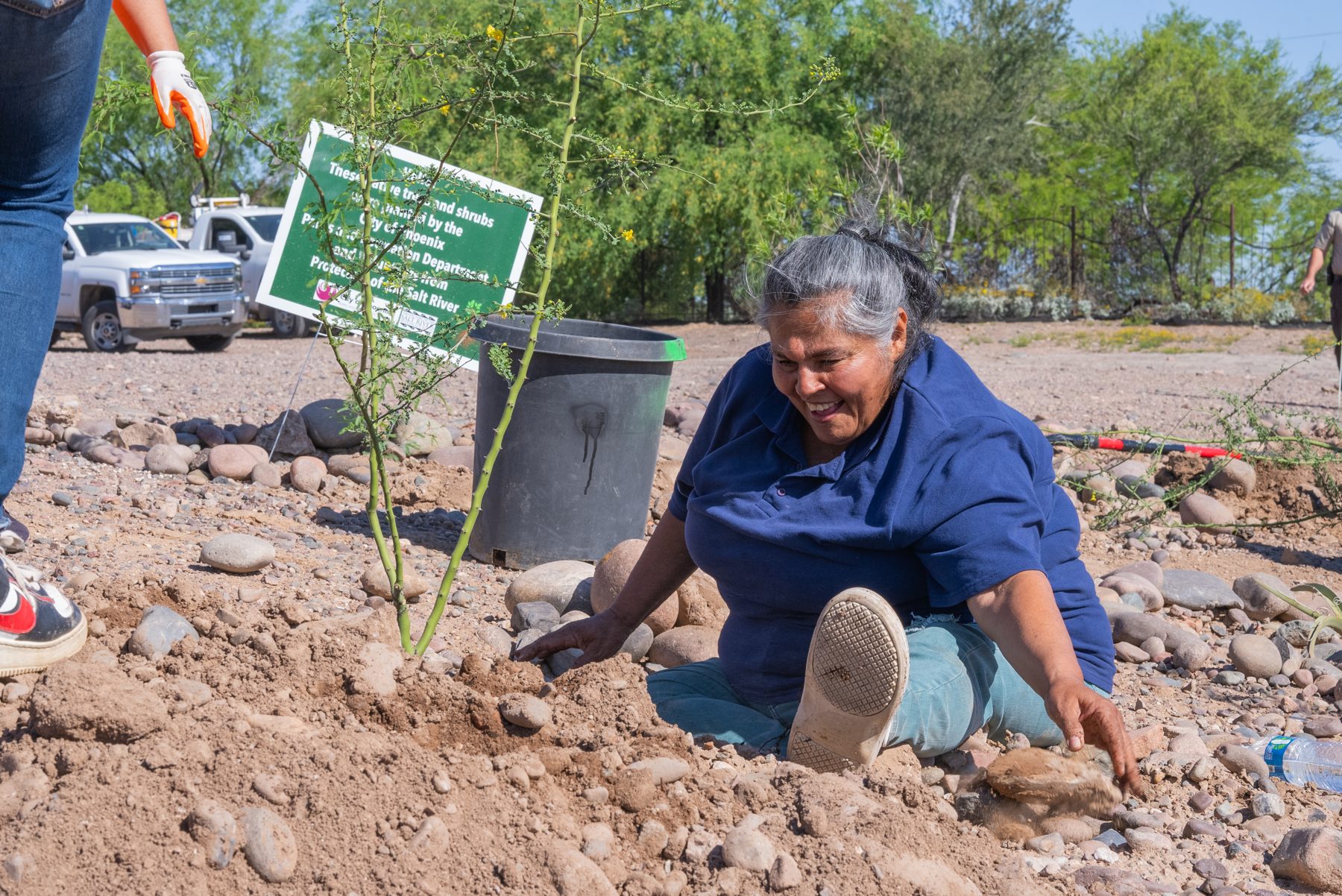
Through 2025 and into 2026, five community-led groups spent a pilot year stewarding the Rio Salado as one ecosystem: Protectors of the Salt River, AZ(LAND) Fund, Cultural Signage, Design Empowerment PHX, and Foodways. Volunteers filled more than 600 stewardship shifts and removed roughly 740 bags of trash and invasive plants across three acres. Native mesquite and food plants went back into the ground. Gila River Indian Community members guided the work on O'otham language for public signage, at the pace the Community sets, and the cohort advanced native seed saving and art along the river.
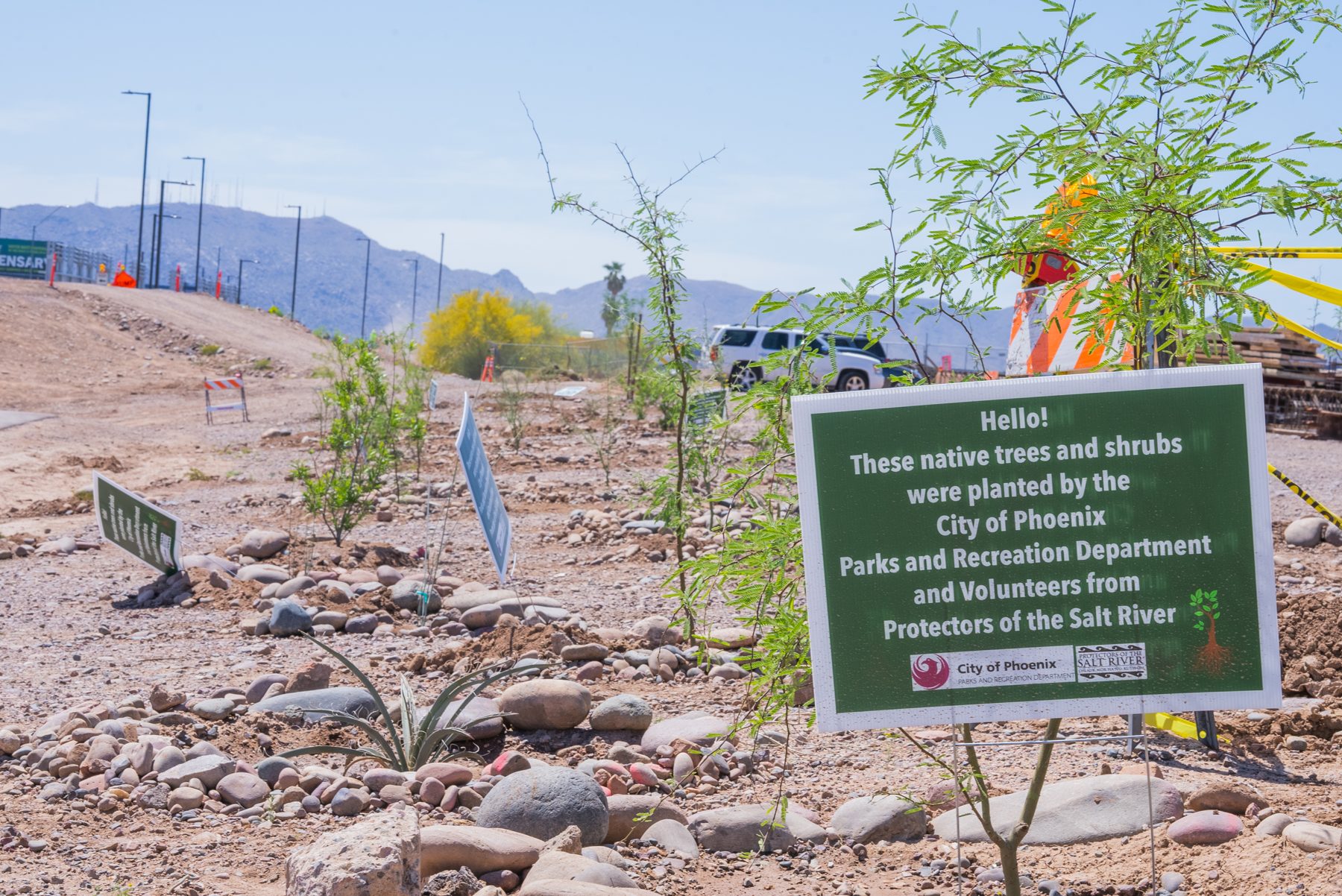
I supported the cohort with technical assistance, coaching, and fund development. The funding architecture was built so that resources followed what the community had already decided: a $100,000 pilot structured as five community-directed sub-grants of $20,000 each, and a fiscal sponsorship agreement that contractually secures community-led decision-making and community ownership of all stories, designs, and media.
April 23: the convening is announced from the riverbank
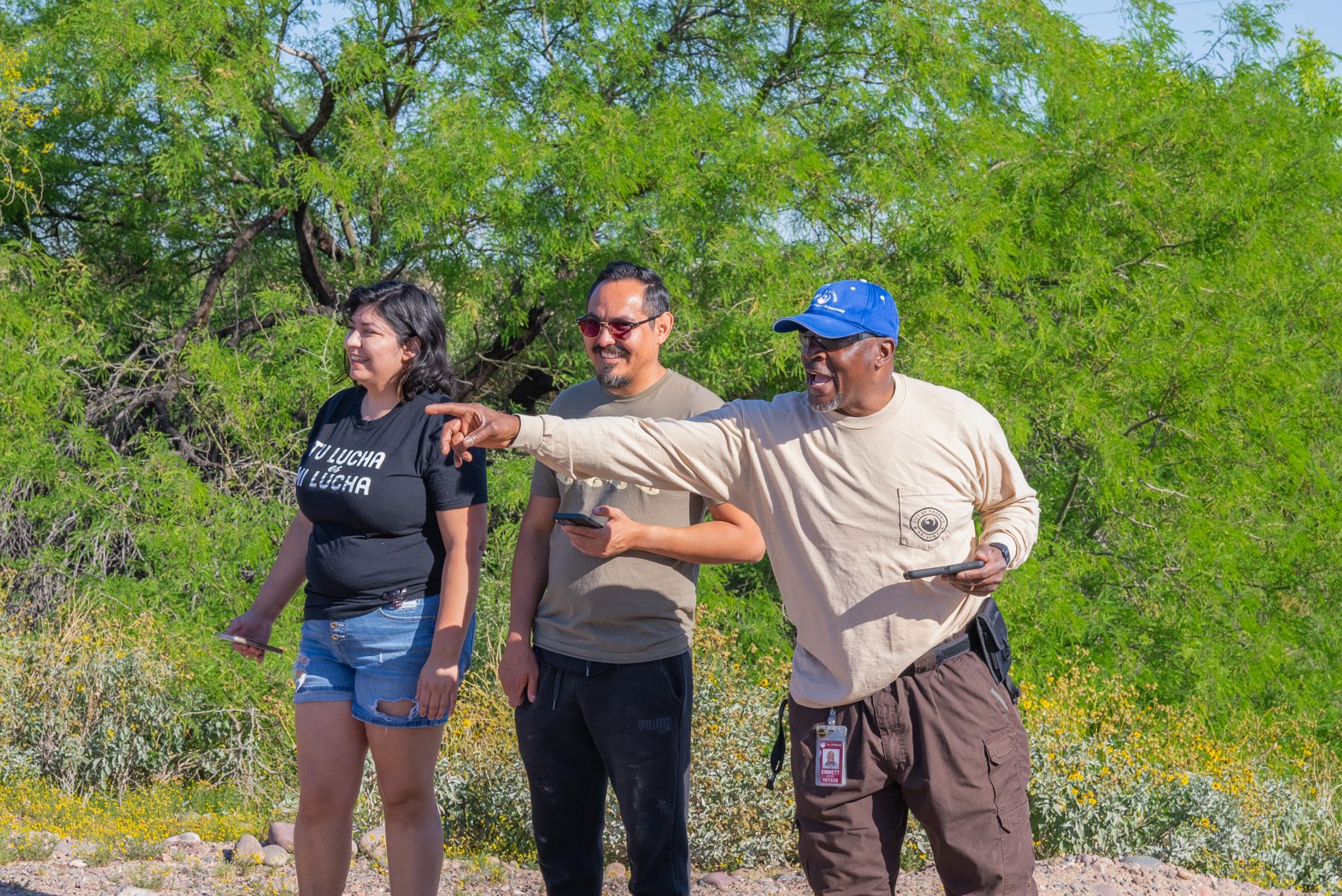
On Earth Day this year, the Arizona Community Foundation, the City of Phoenix, Arizona State University, and Desert Botanical Garden chose the Transformation Site as the place to announce the 122° Conference. Lavern Jackson and the Protectors led a blessing on the site. Aldo Gonzalez spoke about what the river has meant to generations of communities and what protecting it asks of us now. Mayor Gallego spoke. The EU Ambassador to the United States was there. Then everyone walked from the site to the Rio Salado Audubon Center, where more than 300 residents, funders, frontline workers, and researchers kept the conversation going.
Further reading: ACF, "Arizona Steps Up: A Landmark Morning on the Rio Salado" · Moving as an Ecosystem: Pilot Learnings from the Rio Salado · Rio Salado District Policy Plan
← Back to SISU Consulting